Monday, 15 June 2020

Diverticulitis: What is it, the Treatment and Recovery?

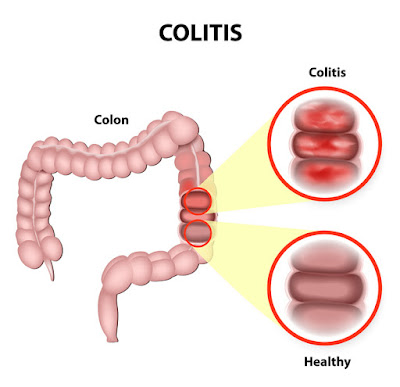
Diverticula are the small, pouch-like protrusions occurring in the digestive tract, especially in the lower areas of the large intestine, i.e. the colon. These are common in people 40 years or above. This condition is called Diverticulosis, and when the diverticula get inflamed and infected, and then it is called Diverticulitis. It can cause severe nausea, abdominal pain and drastic change in bowel habits.

 Diverticulitis

Causes of Diverticulosis and diverticulitis

The commonest cause of diverticulosis is long-standing constipation. As a result of increased pressure within the colon, diverticula arise from the weaker sections of the muscle layer of the colon. When one of these diverticula gets infected due to obstruction by fecal particles or loss of blood supply, its called diverticulitis and is associated with severe lower abdomen and fever.

Risk Factors

The risk factors include a diet low in fiber and high in red meat, obesity, lack of physical activity, increasing age, alcohol intake, smoking, genetics and residence in western countries

Complications

Diverticulitis has the potential to take a complicated course with abscess/ pus formation around the colon due to rupture of the diverticula. Abscess can be small or large depending on the extent of inflammation, with more severe inflammations leading to rupture of abscess within the abdominal cavity.

Diagnosis:

Diverticulitis is suspected when a typical elderly patient with longstanding constipation presents with acute lower abdomen predominantly on the left side, along with fever and vomiting. Some initial blood tests might indicate the presence of inflammation and a CT scan of the abdomen would confirm the diagnosis

Treatment:

This depends on whether it is Uncomplicated or Complicated Diverticulitis.
Uncomplicated diverticulitis can be treated as an outpatient with appropriate antibiotics, pain killers and laxatives to relieve constipation. Repeated diverticulitis requires a planned surgery to remove the affected portion of the intestine.

Complicated diverticulitis would require hospitalisation involving intravenous antibiotics and if necessary, insertion of a tube to drain excess pus. Sometimes a large amount of pus / significant inflammation

of colon might require emergency open or laparoscopic surgery to remove the pus or remove the affected part of the bowel. During surgery if the intestine is severely affected, the healthy portion of the colon is temporarily brought put and sutured to skin, this is called a colostomy.
Once the patient recovers completely the process is reversed and the bowels are reconnected at a later date.

 Diverticulitis

Recovery and follow up:

Once patients recover from diverticulitis, they are prescribed long term bulk laxatives and diet rich in dietary fiber to avoid constipation. Periodic colonoscopic examinations might be required to assess the extent of diverticulosis.

Quick Reply

*Dr.Kamalesh MS, DNB(GIS), FMAS, FICS, FACS, *

*Senior Consultant in GI, HPB & Laparoscopic surgery*

*Aster Medcity, Cochin -682027+919895490173*


Visit Us : surgicalgastro.com
Reviewed by: Dr Kamalesh
Mail Us: surgicalgastrokochi@gmail.com 
Book an Appointment @ surgicalgastro.com/book-appointment

Monday, 30 December 2019

Stomach Ulcers: What You Need To Know?

Stomach ulcers or gastric ulcers are the open sores that develop on the lining of the stomach when the lining of the stomach has become damaged. This is a type of peptic ulcer that affects both the stomach and small intestines.

 Gastric Ulcer

A thick layer of mucus protects the digestive juices in the stomach. A decline in this mucus allows the digestive acids to eat away the tissues that line the stomach, causing ulcers. A stomach ulcer is common and can be cured easily. However, If left untreated, it can turn into a more severe condition.

Symptoms of stomach ulcers

Some stomach ulcers don't show any symptoms. If present, they can include:
  • Abdominal pain just below the rib cage
  • Indigestion 
  • Nausea 
  • Loss of appetite
  • Vomiting 
  • Weight loss
  • Presence of blood in vomit or bowel motions
  • Shock due to blood loss
What Causes Gastric Ulcers?

Gastric ulcer or stomach ulcer is usually caused when the layer protecting the stomach lining from stomach acid breaks down. This is mainly due to a bacterial infection called H. pylori. 

Other major causes of gastric ulcers are:
  • Excessive usage of NSAIDs – non-steroidal anti-inflammatory drugs
  • Excessive Smoking
  • Hypercalcemia – excessive production of calcium
  • Zollinger-Ellison syndrome – a condition when the body produces excessive acid.
  • unrestrained consumption of alcohol
Treatment for a stomach ulcer

Lifestyle modifications can improve the symptoms of stomach ulcers. These include:
  • Losing weight(If you are overweight).
  • Quitting smoking
  • Quitting alcohol
  • Avoid foods such as coffee, chocolate, tomatoes, fatty foods, or spicy foods.

These modifications can reduce the severity of the disease, along with other treatment methods such as:
  • Medication: Different drugs, including antibiotics, to destroy the H. pylori colony, and to speed the healing process. Along with these, tablets to reduce the acid content in the gastric juices are also suggested
  • Breath tests: Breath tests help to make sure that the H. pylori infection has been treated successfully and to monitor the improvement.
  • Changes to existing medication: Medications for other health conditions can have effects on the ulcer. These medications are slightly altered to improve the symptoms and effects of stomach ulcers. 

 Stomach Ulcer

Most stomach ulcers will improve a few months after treatment. However, the chances of recurrence are high even after the treatment if the underlying causes are not properly addressed. If you suspect that you have stomach ulcers, talk to your doctor to discuss the appropriate treatment plan.


Visit Us : surgicalgastro.com
Reviewed by: Dr Kamalesh
Mail Us: surgicalgastrokochi@gmail.com 
Book an Appointment @ surgicalgastro.com/book-appointment

Tuesday, 12 November 2019

Rectify peptic ulcer

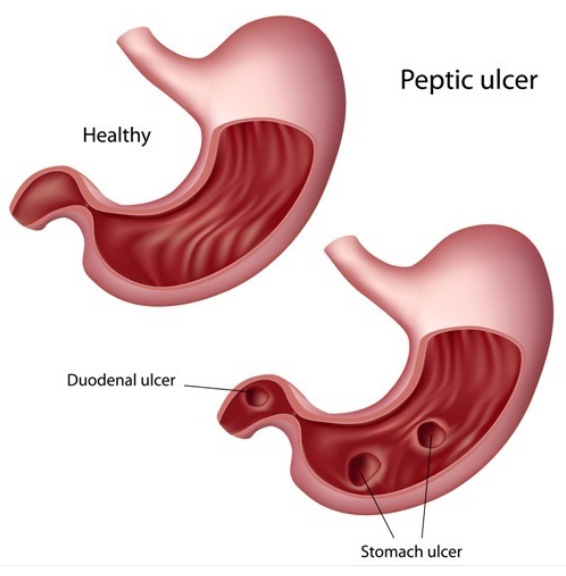
Ulcers which occur in the inside of the stomach and the upper portion of the small intestine will be considered as peptic ulcer. Gastric ulcers occur inside the stomach and duodenal ulcers occur in the inside of the upper portion of the small intestine.
Ulcer

Symptoms
The most common symptom of ulcer would be severe stomach pain. Other signs would be as follows:
  • Nausea
  • Bloating
  • Intolerant to fatty food
  • Heartburn
Causes
Usually, peptic ulcers occur when acid in the digestive system eats away at the inner surface of the stomach or small intestine. And this can lead to severe pain as open sores form and it might even lead to bleeding. There is a mucous layer for the digestive tract which usually can protect against the acid. Ulcers are usually developed when the number of acid increases or when the amount of mucus decreases. Common causes could be as follows:
  • Due to helicobacter pylori bacteria
  • Using pain relievers on a daily basis
  • Consuming too much of spicy food
  • Certain medications
Medical care
The primary treatment for ulcers would be acid suppression and measures to heal the ulcers. Usually, doctors would prescribe certain medications for acid suppression and multiplication of the bacterium.This would include proton pump inhibitors, H2 blockers, and mucosal protective agents. These medications or antibiotics can help acid suppression or to heavily line the mucus, and this could reduce the formation of peptic ulcers. When these medications fail to treat ulcers, doctors would suggest surgery.

Usually, there are 4 types of surgical treatments for ulcers such as:
  • Vagotomy - a surgical procedure that involves removing the part of vagus nerves. These nerves transfer messages from the stomach to the brain to stimulate acid secretion. If the vagus nerve is cut, then it will interpret the transmission of messages which could suppress the acid production.
  • Antrectomy - a surgical option that involves removing the lower portion of the stomach that is antrum. Antrum produces hormones that will stimulate the stomach to produce digestive juices including pepsin and acid.
  • Pyloroplasty - a surgery that will widen the opening of the lower stomach that is pylorus which will help the stomach to empty the contents into the small intestine that is duodenum.
  • Laparoscopy - a surgical option that leads the passage to the inside of the abdomen or stomach and pelvis. Large cuts on the skin will not be required while performing laparoscopy. The pain is less and the recovery period is faster.
Ulcers could lead to further complications hence, it is recommended to treat before it gets worse or severe.

Contact Us

Visit Us : surgicalgastro.com
Reviewed by: Dr Kamalesh
Mail Us: surgicalgastrokochi@gmail.com
Book an Appointment @ surgicalgastro.com/book-appointment

Monday, 16 September 2019

Don’t Delay Your Hernia Treatment!

Are you feeling pain due to a bulge in your groin while bending or lifting any object or during coughing. Then you may be suffering from inguinal hernia. It occurs when the tissues of the intestines protrude through a weak spot in the muscles of the abdomen and results in a bulge.

inguinal hernia treatment kochi

Symptoms of Inguinal Hernia are as follows

  • A visible bulge in the groin. 
  • Aching sensation at the bulge.
  • Discomfort and intense pain in the groin region.

Others signs:

  • Vomiting and Nausea
  • Inability to move the bowels
The condition in its initial stage is not very dangerous, it usually shows no signs of improvements with time and in future can cause complications that can even become a threat to the life of the patient. Thus it is recommended by doctors to not keep a hernia untreated and opt for a surgery to fix the condition, if you have symptoms. Book an appointment with Dr. Kamalesh by logging on to http://surgicalgastro.com/  to get expert advice. With unmatched experience, he can provide you with the best quality treatment and guide you towards a healthy life. 

Complications are as follows:

  • Incarcerated Hernia: When the portions of the affected intestine get trapped within the hernia obstructing the bowel movements and can thus cause intense pain and vomiting.
  • Strangulation: If the hernia is left untreated it can get incarcerated resulting in stopping of blood flow to the parts of the intestine. It can result in the damage of bowel tissues and may require immediate surgery.
  • Increase in size: If left untreated the size of the hernia increases with time and thus creates huge complications. In such cases it becomes difficult to conduct a keyhole surgery or a minimally invasive surgery and an open surgery is done which further complicates the things.
http://surgicalgastro.com/contact-us/
Visit Us : surgicalgastro.com
Reviewed by: Dr Kamalesh
Mail Us: surgicalgastrokochi@gmail.com
Book an Appointment @ surgicalgastro.com/book-appointment

Monday, 19 November 2018

Best Laparoscopic colorectal surgery in town!

Colon and rectum are part of the digestive system which helps to carry out the process of digestion. The function of the colon is to absorb the water and excrete the waste products as stools, and  the rectum holds the stools before it is finally released. Colorectal disorders  affect some part of the colon and rectum. Colorectal surgery deals with surgically correctable disorders of the colon, rectum and anal canal.

http://surgicalgastro.com/colorectal-surgery/


How is laparoscopic surgery conducted?


Laparoscopic surgery is a minimally invasive surgery in which a camera attached to a narrow tube is inserted into the abdomen or chest. This camera ensures proper vision of the area that needs to be operated. During the procedure, small incisions(cuts) are made in the body through which other laparoscopic instruments are  inserted. The surgeon can look at the monitor and further conduct the operation. In the case of colorectal surgery, the affected part of the colon or rectum and blood vessels are removed. Being a minimally invasive technique, here the recovery period and the amount of pain is much less.

Traditionally open surgery was conducted to treat  colorectal disorders, but the use of laparoscopic surgery has made the whole procedure much easier and has reduced the complications.


Types of colorectal disorders treated


Some common colorectal disorders Colorectal cancer, Colonic Diverticulitis, Inflammatory Bowel Diseases include Crohn's disease and Ulcerative colitis and  Rectal prolapse.


The best doctor in town!


If you are searching for a renowned and experienced gastroenterology surgeon in Kerala on whom you can relay completely, Dr Kamalesh N. P is the ultimate surgeon for you. He has extensive experience in performing numerous laparoscopic surgeries.

Dr. Kamalesh is one of the best colorectal surgeons  in Kerala. He has performed  numerous laparoscopic colorectal surgeries, including many complex ones  such as those for very low rectal cancer, carcinoma anal canal and surgeries for Ulcerative colitis. So if you are facing any sort of colonic problem, stop wasting time! Visit his clinic as early as possible.
http://surgicalgastro.com/contact-us/

Mail us: surgicalgastrokochi@gmail.com

Wednesday, 29 August 2018

Increase Awareness, Conquer Pancreatic Cancer

Pancreatic cancer is one of the most deadly cancers. Unfortunately, pancreatic cancer is very common  and an awareness if this condition is very much necessary to detect it at an earlier stage.
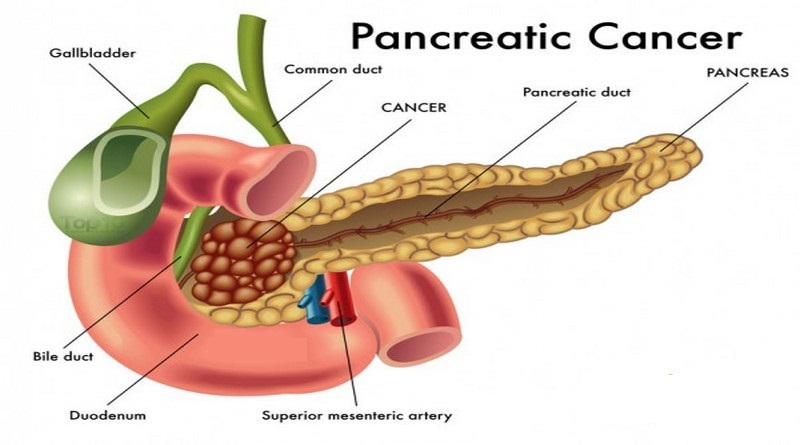
laparoscopic Pancreatic cancer surgery kerala

What is pancreatic cancer?

Pancreatic cancer starts in the ductal cells of the  pancreas and it can spread to nearby and distant organs at a very fast rate. It is one of the most aggressive of all cancers. Detecting it at the earliest is rarely possible. But those with a family history of pancreatic cancers or any other gastrointestinal cancers may be able to detect its presence (if Any) by conducting regular checkups. Pancreatic cancer is mostly seen in men rather than in women.

What are the different types of pancreatic cancers?

The pancreas secretes digestive enzymes and hormones such as  insulin, that controls blood sugar levels. The pancreatic cancer is classified according to the area it is affected. Here are the various kinds of pancreatic cancer.

Exocrine pancreatic cancer

Most of the cases of pancreatic cancer arise from the exocrine pancreas and is called pancreatic adenocarcinoma. Exocrine pancreas is that part of the pancreas which secretes digestive juices.

Endocrine pancreatic cancer

Endocrine pancreatic cancers are not that common. They arise from pancreatic cells that secrete hormones that are released into the blood stream directly. Cancers that  arise from these cells are called islet cell tumors.

What are the causes of pancreatic cancer?

The exact reason or cause behind pancreatic cancer is still not known but there are certain risk factors that can cause this.
  • A family history of pancreatic cancers can increase the risk of development of cancer
  • There is an increased risk of pancreatic cancer amongst cigarette smokers rather than the non-smokers and among alcoholics as well.
  • Obese people have an increased risk of development of pancreatic cancer.

What are the symptoms of pancreatic cancers?

The symptoms and signs aren't usually noticed until the disease advances to a later stage.
  • Jaundice – Yellowing of skin, eyes and urine is the most common symptom.
  • Weight loss
  • Loss of appetite 
  • Upper abdomen pain that spreads to the back
Get yourself tested if you symptoms suspicious of pancreatic cancer. Don’t worry if you have been detected with pancreatic cancer. Dr. Kamalesh, laparoscopic gastro surgeon Kochi, has a vast experience in managing  pancreatic cancers and provides advanced laparoscopic pancreatic cancer surgery in Kerala at affordable cost.    
contact us
Visit @ surgicalgastro.com
Mail us: surgicalgastrokochi@gmail.com
Book appointment: surgicalgastro.com/book-appointment/

Sunday, 10 December 2017

Health Camp

It is great pride informing about a free medical camp by PVS Hospital, Kaloor, Kochi from 29th November 2017 to 23rd December 2017. The team of dedicated doctors in the area of surgical gastroenterology will devote their valuable time and knowledge for the benefit of the patients. 


Date 29th November 2017 to 23rd December 2017

Venue: PVS Memorial Hospital , Kaloor, Kochi, Kerala

Areas Covered


The camp will provide solutions to all type of gastrointestinal diseases. The camp treat all types of hernias and it will be bliss to those who are suffering from hernias. Obesity is considered to be one of the stumbling blocks in one’s personality and it causes some psychological impacts on the patients, withdrawing themselves from the society. The health camp managed to provide treatment to those who are victims of obesity. At the same time they provide screening for gastrointestinal cancers and this is a boon to those who are doubtful of gastrointestinal cancers. 

Liver cirrhosis and liver cancer will be diagnosed and treated in the camp. The camp will be beneficial in providing medical advices and suggestion to those who are suffering from gastrointestinal and related diseases. This will be a golden opportunity for gastro patients so that they can avail the diagnosis services for gastro intestinal cancers at affordable cost.


Benefits of the camp


The registration and consultation will be free of charge. 

There will be a reduction of 25 to 50% reduction in laboratory test, endoscopy, ultra sound scan and CT scan. This will definitely help the economically backward patients 

Dr. N. P Kamalesh focuses to provide the best surgical services in the country and renders best services to many and relieved them of their pain and suffering. The gastroenterology department is regarded as one of the best and top departments in India. They are dedicated to the management of disease of the digestive system. Dr N. P Kamalesh offers expert care in surgical gastroenterology. He is one of the leading gastroenterologists in India. The institute possesses modern state of the art equipment backed by a team of supporting staff. At present the institute has emerged as one of the pioneers in the medical sector. The institute is especially devoted in the care of gastrointestinal diseases along with other treatments 

For Registration, 

Please contact: 9656 104 786
Kaloor, Kochi 682017
0484 4182888 / 2348239
www.pvsmemorialhospital.com
gisurgerypvs@gmail.com


For More details,

Mail to : surgicalgastrokochi@gmail.com
Visit us : surgicalgastro.com

Wednesday, 15 November 2017

Laparoscopic Pancreatic Surgery for Solving Pancreatic Conditions

Pancreas is an organ we rarely discuss until something goes wrong with it. It's present in the deeper abdominal area and helps in regulating our digestive system by production of enzymes to break down food into necessary nutrients. Pancreatic diseases are fairly common and can really affect your quality of life and sometimes can be grave or life threatening. Laparoscopic pancreatic surgery involves surgery through very small cuts to correct the problems affecting the pancreas.

When laparoscopic pancreatic surgery is done ?


Some of the diseases and conditions that warrant laparoscopic pancreatic surgery include the following:

Acute Pancreatitis and its sequelae: involves inflammation of pancreas and leads to accumulation of infected fluid in and around the pancreas. 

Chronic Pancreatitis: long standing pancreatic inflammation leading to stone formation in the ducts

Pancreatic Cancers: cancer affecting pancreas characterised by jaundice, loss of appetite and weight loss.

Types of laparoscopic pancreatic surgeries


The different types of pancreatic surgeries include: -

Laparoscopic necrosectomy: ideal for treatment of pancreatic necrosis, a complication of acute pancreatitis and involves removal of dead cells and infected fluid accumulated around the pancreas.

Whipple’s Procedure: used for treatment of pancreatic cancer where the affected area is removed

Laparoscopic distal pancreatectomy: removes the body and tail of pancreas affected by the disease.

Benefits of Laparoscopic procedure

  • Relatively painless
  • Reduced bleeding
  • Faster recovery
  • Smaller incisions
Dr. NP Kamalesh is a leading gastrointestinal and laparoscopic surgeon, with vast experience in pancreatic surgery based in Cochin.

For more details,

Email: surgicalgastrokochi@gmail.com
Visit us: surgicalgastro.com

Saturday, 28 October 2017

All you want to know about Appendix Operation

What is Appendix ?


The appendix is a small, worm-like tubular structure attached to the cecum (first part of the colon) of the colon. Most of the victims are between the ages of 10 and 30. Appendicitis occurs when the appendix becomes blocked and bacteria invade and infect the wall of appendix.

Bacteria found in the appendix invade the wall and body starts to respond to it by inflammation.  If inflammation progresses it ruptures and infection spreads throughout the abdomen.  In most cases symptoms are identified before the rupture and can be avoided with the use of antibiotics.  In chronic cases, surgery is suggested and is known as appendectomy. In India appendix surgery is very common and a lot of surgeons are available.

http://surgicalgastro.com/appendicitis/

Appendix Symptoms and Signs


Abdominal pain, loss of appetite, nausea and vomiting, fever and abdominal tenderness are the usual symptoms associated with appendix.
Other symptoms include swelling of the abdomen, inability to pass gas, constipation and diarrhea with gas, a mild and moderate fever.

Appendix Diagnosis and Treatment


Diagnosis of the disease can be from white blood cell count, urinalysis, abdominal x-ray, barium enema, ultrasonography, Computerized Tomography and laparoscopy. 

Surgery is the major treatment for appendix removal. Laparoscopy(key-hole surgery) are popular  appendix treatments. In case of a pus filled abscess in appendix, a procedure for draining it out is carried out prior to the appendix removal procedure.


Dr N.P Kamalesh is one of the Gastric Surgeons in Kerala who has performed a large number of laparoscopic Appendix operations in Kerala.  Those who are suffering with appendicitis and other gastro diseases are safe in the hand of Dr N.P Kamalesh and team.

For more details,
http://surgicalgastro.com/contact-us/

Drop a mail at  surgicalgastrokochi@gmail.com
Website: surgicalgastro.com

Thursday, 14 September 2017

A bulge near belly button ? Groin Hernia Causes and treatment


A hernia bulge is highlighted in the above figure. When the tissues advance through a weak spot in the groin area, groin hernia occurs. It is also known as inguinal hernia. This appear as a bulge in the groin or scrotum. The bulge will either hurt or burn.

What causes groin hernia?

Most groin hernias are caused because the opening in the muscle wall does not close as it should before birth. Due to this, a feeble area in the belly muscle will be present. Pressure on that area can cause tissue to push through and bulge out. 


What are the symptoms?

The main symptom of an inguinal hernia is a bulge in the groin or scrotum. The bulge may form over a period of weeks or months. Or it may appear all of a sudden. A hernia may be painful, but some hernias cause a bulge without pain.


How is groin hernia treated?

Surgery is the one and only way to treat a hernia. In some cases, hernias that are small and painless may never need to be repaired.

Surgery is preferred by most of the people to repair them, even if they do not have symptoms. This is because many doctors believe surgery is less dangerous than strangulation, a serious problem that occurs when part of the intestine gets trapped inside the hernia.

A hernia may come back after surgery. To reduce the chance that this will happen, it is necessary to stay at a healthy weight. Do not smoke, avoid heavy lifting, and try not to push hard during a bowel movement or while passing urine.

DR. N P Kamalesh is one of the best laparoscopic surgeons in Kerala. He is currently working in PVS Memorial Hospital, Cochin. This hospital is known to provide the best hernia surgery in Kerala. Also, this hospital is the best option if you are looking for day care surgery for groin hernia in Cochin.
Visit us : surgicalgastro.com
Write to : surgicalgastrokochi@gmail.com

Friday, 25 August 2017

Is Laparoscopy Appendicitis Recovery better than Open Appendectomy?

     Appendicitis is a 3 1/2-inch-long tube of tissue that extends from the large intestine, simply in words an inflammation of the appendix. Appendicitis almost always requires a prompt surgery to remove the appendix. If untreated, an inflamed appendix will eventually sport, or perforate, spilling infectious materials into the abdominal cavity. This will cause a serious inflammation of the abdominal cavity's lining called as peritonitis, which can be fatal.


     The major cause for appendicitis is when the appendix becomes blocked, often by stool, a foreign body, or cancer. The appendix can swell from any infection in the body.

What Are the Symptoms of Appendicitis?

  • The first warning of the appendix will be a dismal pain in the upper abdomen that increases as it moves to the lower right abdomen. 
  • Loss of appetite
  • Nausea and/or vomiting 
  • Abdominal swelling
  • Fever of 99-102 degrees Fahrenheit
  • Severe cramps
  • Constipation or diarrhea with gas

How to treat Appendicitis?


     Appendectomy is the standard treatment for almost all cases of appendicitis. It can be done either as an open surgery or laparoscopic. Laparoscopic Surgery is done by making small incisions in the abdomen and inserting small camera and tools for surgery.


Appendectomy: What to expect?


     Antibiotics are given before an appendectomy to fight possible peritonitis. General anesthesia is usually given, and the appendix is removed laparoscopically. The abdomen is also irrigated and drained of pus when you have peritonitis.

Benefits of laparoscopic appendectomy

  • Less post-operative pain
  • Faster recovery and return to normal activity
  • Shorter hospital stay
  • Less post-operative complications
  • Minimally sized incisions/scars

About Us


     Gastro Surgeon manage disorders of the digestive system. Nowadays due to the changing life style and food habits of man, the significance of Gastroenterology has improved. We provide the best assistance and care to all patients. 

Vist us: surgicalgastro.com
Mail us: surgicalgastrokochi@gmail.com

Thursday, 6 July 2017

Do you know? About 6,00000 People Dies From Liver Cancer in Every Year

Liver cancer is an uncommon type of cancer, constituting to less than 2 % of all cancer cases.  Although there are many types of cancers that affects the liver, only those that originates in the liver cells are considered as liver cancer. The other types are of cancer are those that spreads to the liver from other organs. They are named as metastatic or secondary cancer.

Liver is a significant organ in our body contributing to the breaking down of food and absorption of nutrients with the production of bile. It also helps in cleaning up of toxins, metabolism and the production of blood clotting proteins.
Cancer, irrespective of its form is considered with a lot of fear, given its vicious death rate. However, with proper and early detection and treatment from a qualified and skilled doctor, it is treatable. Dr.NP Kamalesh, who is the best gastrointestinal and laparoscopic surgeon in cochin has a proven track record in identifying and treatment of wide range of gastrointestinal disorders, including liver cancer.

http://surgicalgastro.com/liver-cancer/


Symptoms of Liver Cancer
Liver cancer does not usually manifest any symptoms in its initial stages. However some of the symptoms associated with liver cancer are as follows: -
  • Loss of appetite
  • Unintentional and unexplained weightloss
  • Nausea or vomiting
  • Pain in the upper abdomen
  • Abdominal swelling
  • Increased tiredness and fatigue
  • Jaundice like discoloration and appearance in eyes and skin
  • Chalky, white stools
Causes of Liver Cancer
Liver cancer is known to develop when the liver cells undergo changes in their DNA. This causes them to multiply uncontrollably leading to tumour formation. Conditions such as chronic HBV or HBC infections, cirrhosis, excessive alcohol consumption and so on are known to increase the risk or probability for liver cancer.

Diagnosis and Treatment
Liver cancer can be diagnosed with the help of blood tests, imaging tests and biopsy tests. These help in detecting abnormalities in liver functions, presence of tumours and also for confirming the presence of cancer cells.
The treatment of liver cancer is mainly dependent on its stage, age and overall health of the patient and other preferences. Surgery is adopted usually in cases where the cancerous growth is small. In cases where the cancer is coupled with other diseases that deteriorate the liver condition, liver transplant is preferred. 


Mail Us:surgicalgastrokochi@gmail.com


Friday, 2 June 2017

Severe Stomach Pain?? You May Have Ulcerative Colitis..

Ulcerative colitis is an inflammatory bowel disease (IBD). Inflammatory bowel disease is a cluster of disease that affects the gastrointestinal tract. Ulcerative colitis developed when the lining of large intestine and rectum becomes inflamed. Tiny sores, known as ulcers are developed on the lining of the colon due to this inflammation.

http://surgicalgastro.com/ulcerative-colitis/

This inflammation starts in the rectum and then spreads upwards. The entire colon can effect by the inflammation.  The ulcers may discharge pus and mucus and sometimes causes bleeding. Ulcerative colitis affects people of all ages but mostly diagnosed in the people aged 15 to 35.  Causes of Ulcerative Colitis includes abnormal immune system, environmental impact etc.

Symptoms


  • Stomach pain
  • Bloody stools
  • Rectal pain
  • Increased abdominal sounds
  • Diarrhea
  • Weight loss
  • Fever
  • Mal-nutrition or low appetite
  • Joint pain
  • Sore mouth
  • Skin problems
Ulcerative colitis may increases the risk of colon cancer. The longer person has the disease, the higher the risk of cancer. If a person suffered with Ulcerative colitis then regular screening can help to reduce the risk of colon cancer. 

Risk factors of Ulcerative colitis


  • Blood infection or sepsis
  • Thickening of the intestine wall
  • Severe dehydration
  • Liver disease
  • Rapidly swelling colon 
  • Kidney stones
  • Intestinal bleeding
  • Rupture of colon

http://surgicalgastro.com/ulcerative-colitis/

Diagnosis


  • Stool test
  • Endoscopy
  • Colonoscopy
  • Biopsy
  • CT scan

Blood test is highly recommended and useful test for Ulcerative colitis. Ulcerative colitis is a chronic condition and its treatment involves drug therapy or surgery. The doctor prescribes medication for reducing swelling and inflammation. Apart that, a person should follow these guidelines to stay fit.
  • Drink small portion of the water whole day
  • Eating mini meals whole day
  • Avoid fatty or oily food
  • Permit the intake of high fiber food
  • Avoid milk if suffered with lactose intolerance
Dr. N. P. Kamalesh, Laparoscopic Gastro Surgeon in Kochi is a well-known  for the treatment of Ulcerative colitis and other urination infections. The clinic prefers medical therapy over surgery. 

http://surgicalgastro.com/contact-us/
Visit Us : surgicalgastro.com
Mail Us : surgicalgastrokochi@gmail.com

Wednesday, 31 May 2017

Lose Your Weight Fast With Bariatric Surgery

Bariatric surgery is a group of surgical procedures for those of us who had our heart broken by seeing numerals on the weight machine. Obesity not only hurts our aesthetic sentiments, it invites a horde of other diseases as well. The procedures in bariatric surgery helps in long term weight loss while relieving related disorders like blood pressure, diabetes, arthritis and so on.

http://surgicalgastro.com/bariatric-surgery/


Bariatric surgery is done laparoscopically and hence is simpler and painless, when compared to conventional surgeries. The recovery period is shorter as well. They are known to bring about a loss of about 70-90% of excess weight, though the results are not instantaneous.

Bariatric Surgery Procedures


The several types of bariatric surgery are as follows.
  • Banded sleeve gastrectomy and gastric bypass – an add-on to standard procedure for long term result by adding a silicon band which limits food intake
  • Sleeve gastrectomy – stomach is vertically stapled to limit food intake capacity.
  • Gastric balloon – a deflated balloon is placed in the stomach and then inflated. This makes about two third of the stomach full effectively reducing its food intake capacity.
  • Adjustable gastric band – silicon band placed on stomach, dividing it into two parts.

Should I get a bariatric surgery?


Bariatric surgery would be suit your needs of weight loss if you are
  • committed to a lifestyle change
  • morbidly obese (BMI -32.5 to 37.5)
  • free of endocrine or metabolic disorders

In case of women, who have planned for a pregnancy in near future, this surgery is not advisable.

Benefits of Bariatric Surgery


In addition to weight loss, bariatric surgery has the following benefits: -
  • Relief from diseases like sleep apnoea, arthritis and so on
  • Cholesterol and blood pressure is lowered    
  • Blood sugar brought under control
  • Regains self-esteem and confidence

Dr. N. P. Kamalesh is one of the eminent Bariatric Surgeon  In Kerala. At PVS Memorial Hospital, he provides long term solutions for weight loss at an affordable cost.

http://surgicalgastro.com/contact-us/
Visit Us : surgicalgastro.com
Mail Us : surgicalgastrokochi@gmail.com

Wednesday, 1 March 2017

Ulcers Treatment Kochi

Ulceration which occurs within the duodenum is one of the most common surgical complaints with a wide spectrum of types and severity of presentation.  Many ulcers are usually caused by a bacterial infection or by particular types of painkilling drugs which change the nature and condition of the ulcer.
What causes Duodenal Ulcers?
Helicobacter Pylori Infection: A bacterium found in the stomach has been shown to have a role in the development of duodenal ulcers.
Too much secretion of the stomach acid: This is found in some cases of duodenal ulceration.
Non-Steroidal Anti-inflammatory drugs (NSAID): Widely recognized to cause ulceration in very few patients.
Smoking:  It may cause and help the development of duodenal ulcers. Although, Alcohol and Caffeine do not have any effect.

Symptoms of Duodenal Ulcers


  • Abdominal pain which is usually in the upper abdomen
  • Anemia
  • Indigestion
  • Vomiting
  • Vomiting blood
  • Black colored stools
  • Collapse and shock
  • Sever gastric

Diagnosis and Treatment for Duodenal Ulcers:
Ulcers may be diagnosed in a variety of ways but the most accurate and useful is an OGD.
The vast majority of duodenal ulcers will heal with a maximum of six week course of acid suppression therapy using a proton pump inhibiting drug. The eradication of Helicobacter Pylori can be done with a week long course of two antibiotics in combination. Clearly the treatment should also address other stimulants of ulcer formation, smoking and NSAID use.
However duodenal ulcers that present as an emergency to hospital with either bleeding or perforation do require aggressive treatment.
Bleeding may be controlled at endoscopy but in some cases, it requires surgery when unsuccessful. Perforation is always treated with urgent operation and patch repair of the hole created by the ulcer.

Dr. N.P. Kamalesh is one of the eminent surgeons in Kerala. He has a vast experience and expertise in the field of Gastroenterology. At PVS Memorial Hospital, he provide the best treatment for all types of gastrointestinal problems in a cost effective manner.


Visit us: surgicalgastro.com
Mail us: surgicalgastrokochi@gmail.com

Monday, 21 November 2016

Spot Cancer Early and Save Your Life

A gallbladder is located beneath the liver on the right side of the upper abdomen. The liver secretes a dark green fluid called bile that is stored in the gall bladder.  Bile is important to break down the food components into nutrients which are absorbed by the intestines. 

http://surgicalgastro.com/gall-bladder-cancer/

Gallbladder Cancer is rare cancer that occurs in the tissue lining of the gall bladder. Though the causes for the GB cancer are unknown the risk factors for developing the hectic disease are detailed:
  • Porcelain gallbladder: In this condition calcium forms in the gallbladder wall and people with such condition have an increased chance of developing gallbladder cancer.
  • Gallstones and inflammation: Patients with the history of gallstones or gallbladder inflammation are prone to Gallbladder cancer.
  • Abnormal bile ducts: People who have congenital abnormalities of the bile ducts
  • Smoking: People who smoke frequent cigarettes
  • Obesity: Obesity increases the risk
  • Polyps: Presence of benign tumors in the gall bladder
Gall bladder cancer symptoms:
  • Fever with shivering and chills
  • Nausea and vomiting
  • Loss of appetite and weight loss
  • Pain in the upper abdomen
  • Jaundice
  • Lump in the abdomen
  • Stomach bloating
Physical Examination: Through physical testing, physician can trace the abdominal lump
Blood Tests: Anemia, albumin levels are detected
Ultrasound: It helps to analyze the gall bladder status; any suspected mass within the organ
CT scan
 
Treatment depends on the stage of the disease, patient age, health and the time of diagnosis.
 
Surgery: Surgery is generally recommended in the early stage of gallbladder cancer. Removal of the gall bladder and the adjacent tissues, lymph node saves the patient from fatal. Sometimes liver surgery will be accompanied with gall bladder removal depends on the stage.
 
Surgical biliary bypass: During the surgery, if difficulty has been faced to remove the tumor entirely, then the surgeon will perform a bypass to relieve jaundice.
 
Endoscopy and Stent placement: This endoscopic procedure helps to drain the bile from the intestines. This will be performed at the end stage of cancer. With the help of endoscopy, a metallic expandable stent is placed into the bile duct.

Chemotherapy and Radiation therapy: These therapies are usually administered after the surgery.
 
PVS Memorial Hospital, Cochin offers excellent treatments for all Gastrointestinal Problems particularly Gallbladder cancer patients are well diagnosed and treated successfully.

http://surgicalgastro.com/gall-bladder-cancer/

Mail us: surgicalgastrokochi@gmail.com

Liver Cancer Treatment in Kochi

The liver is one of the major organs of the body situated in the abdomen just beneath the ribs. It is responsible for production of bile which helps to break down the food particles into nutrients suitable for absorption. It is responsible for the conversion of absorbed nutrients into different forms of energy. It is also responsible for production hormones and other vital proteins which are essential for human body. Apart from these, it is responsible for metabolism control and production of required proteins necessary for blood clotting.

The liver is primarily affected by cancer which may arise in the liver or in other parts of the body which may spread to the liver. Most of the times liver cancer is metastatic which means the liver is affected by cancer caused in other body parts. Liver Cancer does not mean tumors formed in different parts of the liver. As the liver is made up of different types of cells, most of the tumors formed in the liver are benign. These types of tumors include cysts, fibroma, hemangioma, hepatic adenoma and focal nodular hyperplasia. All these tumors are easily curable by ultrasound and surgical treatments. Serious liver cancers include HCC (hepatocellular carcinoma) and cholangiocarcinoma. 

http://surgicalgastro.com/liver-cancer/


It is difficult to detect liver cancer at an early stage as most of the liver cancers will not show symptoms at an early stage. As the tumor grows, following symptoms are visible in people:
  • Abdomen swelling
  • Weight lossLoss of appetite
  • The color change of eyes and skin to yellow.
  • Feeling pain on the right side of the abdomen.
  • Weakness.
Liver cancer can be detected by proper diagnosis. One can detect liver cancer by undergoing a blood test, which detects abnormalities in the functioning of the liver. An imaging test is another best way to detect liver cancer. Imaging tests include MRI (magnetic resonance imaging) and CT (computerized tomography) and ultrasound test. Another major test which can diagnose liver cancer is  biopsy. By undergoing liver biopsy test, one can detect liver cancer.
Based on the age and severity of the disease, different types of treatments are offered to cure liver cancer. If the tumor is in an early stage, it can be removed by surgery. If the liver is adversely affected by cancer then liver transplantation is a suggestible treatment to cure liver cancer. Ablation therapy, radiation therapy, and chemotherapy are some other treatments adopted based on the severity of the disease.
The hospital offers best Liver Cancer Treatment in Kochi with the help of dedicated team of doctors and other staff.

http://surgicalgastro.com/contact-us/

Visit us: surgicalgastro.com

Tuesday, 20 September 2016

Know About Cancer and Get Better Treatment

Other than destroying the physical health of a person, fear factor associated with cancer affects the mental condition of a person also. Pancreatic Cancer is categorized as dangerous by medical science. 
Pancreas is an organ in the abdominal cavity behind the stomach. This is associated with the production of hormones like insulin, somatostatin, and glucagon etc. Pancreatic cancer is characterized by the abnormal growth of cancerous cells in the organ which  spreads rapidly and damages surrounding organs too. This is difficult to diagnose at the early stage and factors like genetics, heavy smoking, age, eating highly processed food items, obesity, and chronic pancreatitis  acts as a catalyst in its swift growth.  

pancreatic-cancer-diag-600x461-1-1.jpg

Symptoms of Pancreatic Cancer are:
  • Lack of appetite
  • Jaundice
  • Feeling of vomiting
  • Fever
  • Chills
  • Intermittent pain in upper abdomen
  • Weakness

Diagnosis and treatment:

It is very difficult to detect pancreatic cancer in its beginning. In most of the cases, people tend to consult doctors when symptoms will be visible. Blood test, Imaging tests, Endoscopic Ultrasound and Biopsy are the usual tests done to ascertain the presence of pancreatic cancer. The treatment procedure include:

Whipple’s procedure : This procedure is done when cancer affects the head of the pancreas. In the last stages, it may affect adjacent blood vessels too, in that case,  it is removed and reconstructed.

Distal pancreatectomy : This procedure is done to cure cancer in the body and tail of the pancreas.

Stent Placement of Surgical Bypass: In the situations like, the patient is aged, surgery may lead to his death. In that case doctor will place a stent or metallic tube to reduce jaundice or vomiting .

Chemotherapy: In this, a  single drug or a combination of drugs will be given orally or through injection to eliminate the cancer cells. It can be given before or after the surgery.

Radiation : It uses, high-intensity X-rays to burn out the cancer cells. It is given externally after the surgery according to the stage of the tumor.

PVM Hospital offers best Pancreatic Cancer Treatment in Cochin. The doctors and other staff ensure best possible treatment with the help of latest technology to patients.


contact-us-1207802_960_720.png
Mail us: surgicalgastrokochi@gmail.com